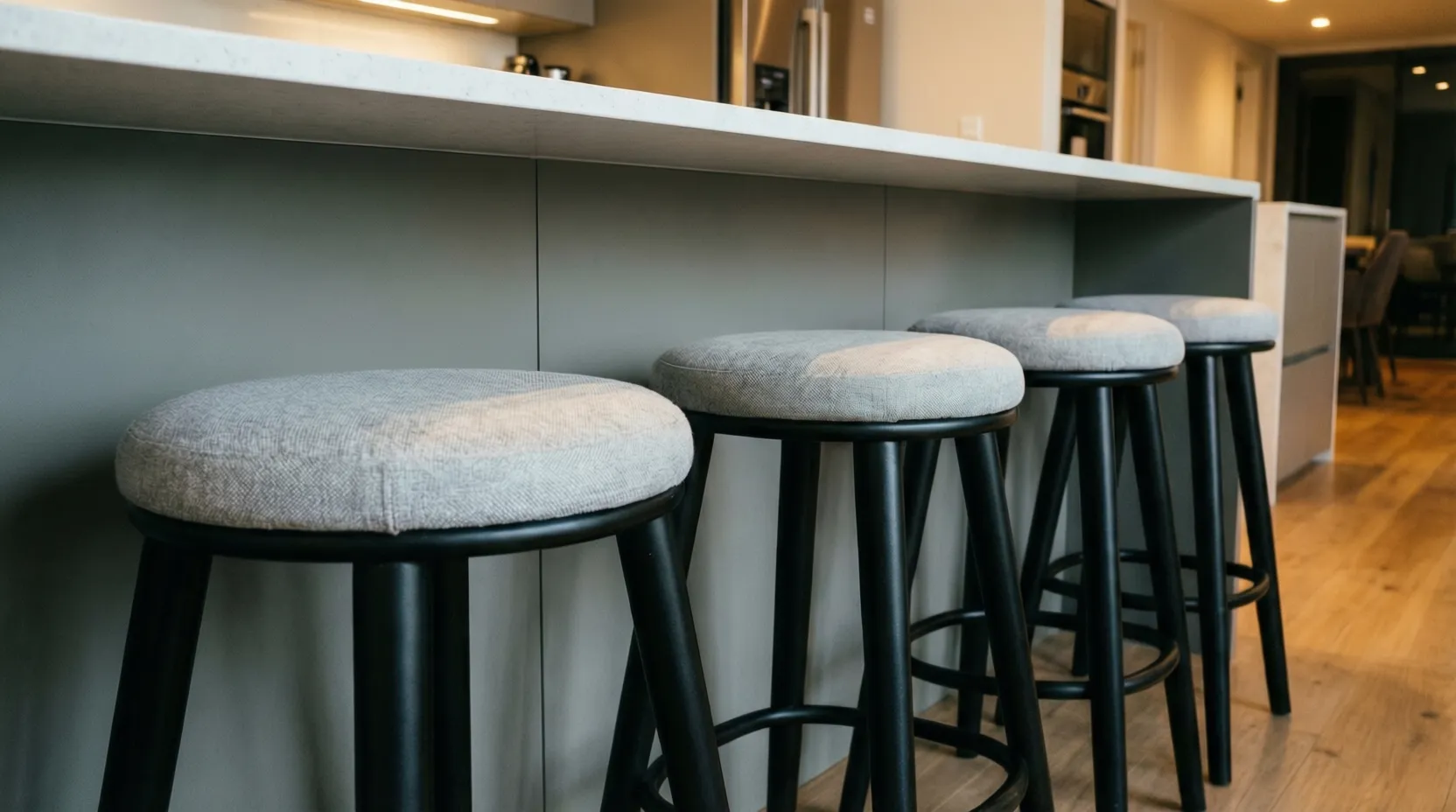
Counter height stools have become a staple in modern kitchens, home bars, and open-concept living spaces—and for good reason. They offer the perfect balance between comfort, functionality, and style, making them ideal for kitchen islands, counters, and casual dining areas.
Whether you’re enjoying a quick breakfast, entertaining guests, or creating a flexible workspace, the right counter height stools can transform how your space looks and feels.
However, choosing the best counter height stools isn’t as simple as picking a design you like. Factors such as seat height, spacing, materials, comfort features, and overall durability all play a crucial role in long-term satisfaction.
With so many styles and options available—from upholstered and swivel stools to minimalist backless designs—it’s easy to feel overwhelmed.
This comprehensive guide will walk you through everything you need to know about counter height stools, helping you make a confident, informed decision that fits your space, lifestyle, and budget.
What Are Counter Height Stools?
Counter height stools are a type of elevated seating specifically designed to pair with standard kitchen counters and islands. They typically feature a seat height between 24 and 26 inches, which aligns comfortably with counters that measure around 36 inches high. This height difference allows users to sit comfortably while maintaining proper legroom and posture, making counter height stools ideal for everyday use.
Unlike dining chairs, counter height stools are taller and more compact, allowing them to slide neatly under counters when not in use. Compared to bar height stools—which are built for 40–42 inch bars—counter height stools feel more approachable and practical for homes, especially in kitchens where people sit for meals, work, or casual conversations.
Counter height stools come in a wide variety of designs, ranging from backless and minimalist styles to fully upholstered models with arms and swivel features. Some are fixed-height for stability, while others are adjustable to accommodate different users or counter variations. Materials also vary widely, including wood, metal, upholstered fabric, leather, and molded plastic, allowing homeowners to match virtually any interior design style.
Because of their versatility, counter height stools are commonly used at kitchen islands, breakfast bars, peninsulas, and even low home bars. When chosen correctly, they provide not only functional seating but also serve as a visual anchor that enhances the overall design of the space.
Counter Height vs Bar Height vs Table Height
Understanding the difference between counter height, bar height, and table height seating is essential before choosing the right stools for your space. Selecting the wrong height can lead to discomfort, poor posture, and a layout that simply doesn’t function as intended.
Counter height stools are designed for counters that are about 36 inches high. With a typical seat height of 24–26 inches, they are ideal for kitchen islands, breakfast bars, and standard kitchen counters. This height offers a comfortable balance between casual seating and everyday functionality.
Bar height stools, on the other hand, are noticeably taller. They usually have seat heights between 28 and 30 inches and are meant for bars or high tables that measure 40–42 inches tall. Bar stools work well in entertainment areas or commercial-style home bars but often feel too tall and less practical for daily kitchen use.
Table height seating includes standard dining chairs with seat heights around 18 inches, paired with tables that are approximately 30 inches high. These are best suited for formal dining areas rather than counters or islands.
A common mistake many homeowners make is purchasing bar height stools for a standard kitchen counter, which results in awkward seating and limited legroom. As a general rule, aim for 10–12 inches of space between the seat and the underside of the counter for optimal comfort. Choosing the correct height ensures better ergonomics, a more cohesive look, and a seating arrangement that truly fits your space.
How to Choose the Right Counter Height Stool
Choosing the right counter height stool starts with accurate measurements. Begin by measuring the height of your counter from the floor to the underside of the countertop, not the top surface. Most standard kitchen counters are around 36 inches high, but variations in countertop thickness can affect the ideal stool height. For the best comfort, there should be 10 to 12 inches of space between the stool seat and the counter.
Next, consider whether you need fixed-height or adjustable counter height stools. Fixed-height stools offer greater stability and a cleaner look, making them ideal for households with children or for uniform seating layouts. Adjustable stools provide flexibility, especially in multi-purpose spaces or homes where counters vary slightly in height.
Comfort is another critical factor. If the stools will be used frequently or for longer periods, look for features such as backrests, footrests, and padded seats. Backless stools may save space and tuck neatly under the counter, but they are better suited for short-term seating. Swivel stools can improve accessibility and ease of movement, particularly in high-traffic kitchens.
Spacing also plays an important role. Plan for 24 to 30 inches of width per stool to ensure comfortable seating without crowding. Finally, think about how the stools fit into your overall design. Matching the stool’s material, color, and silhouette to your kitchen or living space creates a cohesive, intentional look. By balancing height, comfort, spacing, and style, you can select counter height stools that are both functional and visually appealing.
Ergonomics and Comfort Considerations
Ergonomics play a major role in how comfortable counter height stools feel, especially in kitchens and dining areas where people may sit for extended periods. While appearance is important, overlooking comfort can quickly lead to seating that looks good but isn’t practical for everyday use.
One of the first choices to consider is whether to select stools with or without a backrest. Counter height stools with backs provide better lumbar support and encourage proper posture, making them ideal for families, frequent entertaining, or work-from-home setups at the kitchen counter. Backless stools, while more compact and visually minimal, are best suited for short sitting periods.
Footrests are another essential comfort feature. Because counter height stools elevate the sitter higher off the ground, a sturdy footrest helps reduce pressure on the legs and improves overall balance. Swivel stools can add convenience by allowing users to turn easily without moving the stool, which is especially helpful in busy kitchens or tight spaces.
Seat design also impacts comfort. Padded or upholstered seats offer cushioning for longer use, while contoured wooden or molded seats provide support with a firmer feel. Armrests can further enhance comfort, though they require more space and may prevent stools from sliding fully under the counter.
Finally, consider the stool’s proportions and weight capacity. A well-balanced base and appropriate seat width ensure stability and safety for all users. By prioritizing ergonomic features alongside design, you can choose counter height stools that support comfort, usability, and long-term satisfaction.
Counter Height Stool Materials: Pros and Cons
The material of your counter height stools plays a significant role in their durability, comfort, maintenance, and overall style. Choosing the right material ensures your stools not only look good but also perform well in your specific space.
Wood counter height stools are a popular choice for their warmth and timeless appeal. Solid wood options, such as oak or walnut, are durable and long-lasting, while engineered wood offers a more budget-friendly alternative. Wooden stools work especially well in farmhouse, traditional, and Scandinavian-style kitchens but may require occasional maintenance to prevent wear.
Metal counter height stools are known for their strength and modern or industrial aesthetic. They typically support higher weight capacities and are easy to clean, making them ideal for high-traffic kitchens or commercial settings. However, metal seats can feel cold or hard without padding.
Upholstered counter height stools prioritize comfort and style. Available in fabric, leather, or faux leather, they add softness and visual interest to a space. Fabric upholstery offers warmth and texture, while leather and faux leather are easier to wipe clean. The trade-off is that upholstered stools may require more maintenance, especially in homes with children or pets.
Plastic and acrylic stools are lightweight, affordable, and easy to maintain. Their sleek, modern appearance works well in contemporary spaces, though they may not feel as substantial or durable as wood or metal options. Selecting the right material ultimately depends on your lifestyle, design preferences, and how often the stools will be used.
Styles and Design Options for Counter Height Stools
Counter height stools are available in a wide range of styles, allowing them to function as both practical seating and a key design element within a space. Choosing the right style helps tie your kitchen or bar area together and enhances the overall aesthetic.
Modern counter height stools feature clean lines, sleek silhouettes, and minimal ornamentation. They often use materials such as metal, molded plastic, or leather upholstery and work well in contemporary or minimalist interiors. Neutral tones like black, white, and gray are common, though bold colors are increasingly popular as statement pieces.
Farmhouse-style stools emphasize warmth and comfort, typically crafted from wood with simple detailing and natural finishes. These stools pair beautifully with rustic kitchens, shaker cabinets, and cozy, lived-in spaces. Many farmhouse stools include backs or upholstered seats for added comfort.
Industrial counter height stools combine metal frames with wood or leather elements, offering a rugged, urban look. They are ideal for loft-style homes or kitchens with exposed materials such as brick, concrete, or stainless steel.
Scandinavian and mid-century modern stools focus on functionality and simplicity. Light woods, curved seats, and tapered legs create an airy, timeless feel that suits smaller or open-concept kitchens.
Traditional and transitional styles, on the other hand, blend classic shapes with updated finishes, making them versatile enough to complement a wide range of interiors. When selecting a design, consider how the stool’s color, shape, and material interact with your cabinetry, countertops, and lighting to create a cohesive, balanced space.
Counter Height Stools for Different Spaces
Counter height stools are incredibly versatile and can be used in a variety of spaces beyond the traditional kitchen counter. Understanding how they function in different areas of the home helps you choose the right features and design for each setting.
In kitchen islands, counter height stools often serve as a central gathering point. Comfort and durability are key, especially in busy households. Stools with backs, footrests, and easy-to-clean materials work well for daily meals, homework, or casual entertaining. Swivel stools can also improve accessibility in high-traffic layouts.
For kitchen counters or peninsulas, space planning becomes more important. Backless or armless stools allow for a streamlined look and can be tucked neatly under the counter when not in use. Choosing slimmer profiles helps maintain clear walkways and prevents the area from feeling overcrowded.
In home bars or entertainment areas, comfort during extended sitting is a priority. Upholstered counter height stools with padded seats and backs provide a more relaxed experience for guests. Swivel features are particularly useful in social settings, allowing easy movement without shifting the stool.
Counter height stools are also suitable for home offices or multipurpose spaces, where counters double as work surfaces. Ergonomic support and seat cushioning are especially important in these environments. By tailoring your stool choice to the specific space and how it’s used, you can maximize both comfort and functionality while maintaining a cohesive design throughout your home.
How Many Counter Height Stools Do You Need?
Determining how many counter height stools you need is essential for both comfort and visual balance. Too few stools can make a counter feel underutilized, while too many can lead to a cramped and uncomfortable seating arrangement.
A general guideline is to allow 24 to 30 inches of horizontal space per stool. This spacing gives each person enough room to sit comfortably, move their arms, and get in and out without bumping into others. For example, a 6-foot-long kitchen island can typically accommodate two to three counter height stools, while an 8-foot island may comfortably fit three to four.
The shape of your counter also affects spacing. Straight islands and counters allow for even placement, while curved or angled counters may require slightly more space per stool to maintain comfort. Overhang depth is another important consideration—most stools require at least 10 to 12 inches of knee clearance to sit comfortably.
Visual balance matters just as much as measurements. Evenly spaced stools create a clean, symmetrical look, while odd numbers can feel more casual and relaxed. In smaller kitchens, using fewer stools with slimmer profiles helps maintain an open feel and prevents visual clutter.
Finally, consider how often the stools will be used. If they are for daily meals or frequent gatherings, prioritizing comfort and spacing is key. If they are used occasionally, a tighter layout may be acceptable. Planning the right number of counter height stools ensures a functional, inviting seating area that complements your space rather than overwhelming it.
Weight Capacity and Safety Considerations
When selecting counter height stools, safety and weight capacity are just as important as style and comfort. A well-constructed stool should feel stable, balanced, and secure for all users, especially in households with children or frequent guests.
Most standard counter height stools support between 250 and 300 pounds, which is suitable for everyday use. However, heavy-duty or commercial-grade stools can offer weight capacities of 350 pounds or more. Always check the manufacturer’s specifications to ensure the stool meets your household’s needs.
Stability is influenced by the stool’s base design. Four-legged stools tend to provide excellent balance and are ideal for family-friendly kitchens. Pedestal or single-base stools can offer a sleek, modern appearance but should include a wide, weighted base to prevent tipping. Swivel stools should rotate smoothly without wobbling, and all moving parts should feel solid and well-secured.
Footrests play a role in both comfort and safety by giving users a place to stabilize their legs. Non-slip feet or rubberized pads help protect flooring and prevent stools from sliding on smooth surfaces such as tile or hardwood.
For homes with children or older people, stools with backs and armrests can provide extra support and reduce the risk of falls. Avoid overly lightweight stools that may tip easily, and ensure the seat height is appropriate for the counter to prevent awkward or unsafe seating positions. Prioritizing safety and weight capacity ensures your counter height stools are comfortable, durable, and reliable for everyday use.
Maintenance and Cleaning Tips
Proper maintenance helps extend the life of your counter height stools and keeps them looking their best over time. The cleaning routine you follow should depend on the materials and finishes of your stools, as each requires different care.
For wood counter height stools, regular dusting and occasional wiping with a damp, soft cloth are usually sufficient. Avoid harsh cleaners, as they can damage the finish or cause the wood to dry out. Using coasters or placemats at the counter can help prevent moisture and heat damage near seating areas.
Metal stools are relatively low-maintenance. Wipe them down with a mild soap and water solution to remove fingerprints or spills, and dry thoroughly to prevent rust or water spots. For stools with painted or powder-coated finishes, avoid abrasive cleaners that may scratch the surface.
Upholstered stools require more attention. Fabric seats should be vacuumed regularly to remove crumbs and dust, while spot cleaning spills promptly helps prevent stains. Leather and faux leather can be cleaned with a damp cloth and mild cleaner, making them a practical option for busy kitchens.
Plastic or acrylic stools are the easiest to maintain, as they can typically be wiped clean with a non-abrasive cleaner. Periodically check all stools for loose screws or joints and tighten them as needed to maintain stability. With proper care, your counter height stools can remain comfortable, attractive, and functional for many years.
Budget and Price Ranges for Counter Height Stools
Counter height stools are available at a wide range of price points, making it possible to find options that suit nearly any budget. Understanding what influences cost can help you make a smart investment without sacrificing comfort or quality.
Budget-friendly counter height stools, typically priced at the lower end of the range, are often made from plastic, lightweight metal, or engineered wood. These stools are ideal for temporary seating, rental properties, or spaces with lighter use. While affordable, they may have simpler designs and lower weight capacities.
Mid-range stools offer the best balance of quality, comfort, and durability for most households. These stools often feature solid wood frames, thicker metal construction, or upholstered seats with better padding. Many include comfort upgrades such as backs, footrests, or swivel functions, making them well-suited for daily use in kitchens and islands.
Premium and designer counter height stools command higher prices due to superior materials, craftsmanship, and distinctive designs. Solid hardwoods, high-quality upholstery, custom finishes, and reinforced construction are common at this level. These stools are ideal for homeowners who prioritize longevity and statement-making design.
When evaluating price, consider long-term value rather than upfront cost alone. Factors such as durability, comfort, warranty coverage, and maintenance requirements can significantly impact overall satisfaction. Investing slightly more in well-built counter height stools can often save money over time by reducing the need for replacement and ensuring consistent comfort and performance.
Common Buying Mistakes to Avoid
Choosing counter height stools may seem straightforward, but many buyers make avoidable mistakes that affect comfort, functionality, and long-term satisfaction. Being aware of these common issues can help you make a more informed decision.
One of the most frequent mistakes is selecting the wrong stool height. Bar height stools are often mistaken for counter height stools, leading to uncomfortable seating and insufficient legroom. Always measure your counter and ensure there is 10 to 12 inches of clearance between the seat and the counter surface.
Another common error is prioritizing style over comfort. While sleek, backless stools may look appealing, they may not be suitable for prolonged sitting. For everyday use, especially in family kitchens, stools with backs, footrests, or padding provide better support.
Ignoring spacing requirements can also lead to overcrowding. Placing stools too close together limits movement and reduces usability. Plan for 24 to 30 inches per stool to maintain comfort and accessibility.
Some buyers overlook weight capacity and stability, assuming all stools are built the same. Lightweight stools or narrow bases may tip easily, especially in high-traffic areas. Checking construction quality and weight limits is essential for safety.
Finally, failing to consider maintenance can lead to frustration. Light-colored fabrics or untreated wood may require more upkeep than expected. Choosing materials that align with your lifestyle—such as easy-to-clean finishes for busy households—helps ensure your counter height stools remain functional and attractive over time.
Trends in Counter Height Stools
Counter height stools continue to evolve as homeowners place greater emphasis on both design and functionality. Current trends reflect a shift toward versatile seating that blends seamlessly with modern living spaces while offering comfort and durability.
One of the most noticeable trends is the use of mixed materials. Combining wood with metal, or pairing metal frames with upholstered seats, creates visual interest and allows stools to complement a wider range of interior styles. These combinations are especially popular in transitional and contemporary kitchens.
Sustainable and eco-friendly materials are also gaining traction. Reclaimed wood, responsibly sourced hardwoods, and recycled metals appeal to environmentally conscious homeowners who want stylish seating with a smaller footprint.
In terms of aesthetics, clean lines and minimalist silhouettes dominate modern designs. Slim profiles, curved seats, and subtle details help stools feel light and unobtrusive, making them ideal for open-concept kitchens. At the same time, bold statement stools—featuring rich colors, sculptural shapes, or textured upholstery—are being used as focal points in otherwise neutral spaces.
Comfort-driven features remain a priority. Swivel functions, padded seats, and supportive backs are increasingly standard, even in sleek, contemporary designs. Neutral tones such as black, beige, and gray remain popular, while warm finishes and muted earth tones add depth and character.
These trends reflect a balance between practicality and style, ensuring counter height stools remain both functional and visually relevant in today’s homes.
Frequently Asked Questions About Counter Height Stools
What height stool is best for a 36-inch counter?
For a standard 36-inch counter, the ideal counter height stool has a seat height between 24 and 26 inches. This provides comfortable legroom and proper posture.
What is the difference between counter height and bar height stools?
Counter height stools are designed for counters around 36 inches tall, while bar height stools are meant for 40–42 inch bars. Using the wrong height can result in discomfort and limited leg space.
Are counter height stools comfortable for everyday use?
Yes, when chosen correctly. Stools with backs, footrests, and padded seats offer greater comfort for daily meals, work, or entertaining.
How many counter height stools fit at a kitchen island?
Plan for 24 to 30 inches of width per stool. A 6-foot island usually fits two to three stools, while an 8-foot island can accommodate three to four comfortably.
Are backless counter height stools a good choice?
Backless stools work well in small spaces or for occasional seating. However, stools with backs are generally more comfortable for extended use.
Can counter height stools be used outdoors?
Some metal or plastic stools are suitable for outdoor use, but they should be specifically rated for exterior conditions to prevent rust or fading.
Conclusion:
Choosing the right counter height stools is about more than appearance—it’s about finding seating that fits your space, supports comfort, and complements your lifestyle. Before making a final decision, reviewing a simple checklist can help ensure nothing important is overlooked.
Start by confirming your counter height and selecting stools with a seat height that allows 10 to 12 inches of clearance. Next, determine how many stools your space can comfortably accommodate, allowing 24 to 30 inches per stool for proper spacing.
Consider how the stools will be used day to day—frequent meals, entertaining, or work—and prioritize comfort features such as backs, footrests, and seat padding when needed.
Material choice is equally important. Select finishes that align with your design style while also matching your maintenance preferences.
Households with children or pets may benefit from easy-to-clean materials, while design-focused spaces can support more decorative options. Don’t forget to review weight capacity, base stability, and construction quality to ensure safety and long-term durability.
Finally, set a realistic budget and focus on overall value rather than price alone. Well-made counter height stools can last for years, making them a worthwhile investment.
By carefully considering size, comfort, materials, style, and safety, you can confidently choose counter height stools that enhance both the function and visual appeal of your home. With the right selection, your seating will feel just as good as it looks.

Jane Austen was an English novelist renowned for her keen observations of 18th- and 19th-century society, her witty storytelling, and her timeless novels like Pride and Prejudice and Sense and Sensibility. Her work blends romance, humor, and social commentary in a way that still resonates today. At jokesplanets.com, we celebrate her cleverness and charm by sharing quotes, fun facts, and witty insights inspired by her legendary storytelling.