A height comparison chart is a simple yet powerful way to visualize how tall one person is compared to another, using clear measurements and easy-to-understand visuals.
Instead of guessing or doing mental math, height comparison charts allow you to instantly see differences in height across people, ages, genders, or even countries.
This makes them useful for a wide range of purposes, from personal curiosity and social discussions to education, health tracking, and design reference.
Many people search for height comparison charts to compare their own height with friends, celebrities, or average human height standards.
Others use them to understand growth patterns in children, explore height differences between as people, or see how height varies around the world.
Whether presented as a visual chart, a printable table, or an interactive online tool, height comparison charts turn raw numbers into meaningful insights. In this guide, we’ll explore how height comparison charts work, why they’re useful, and how to use them effectively.
What Is a Height Comparison Chart?
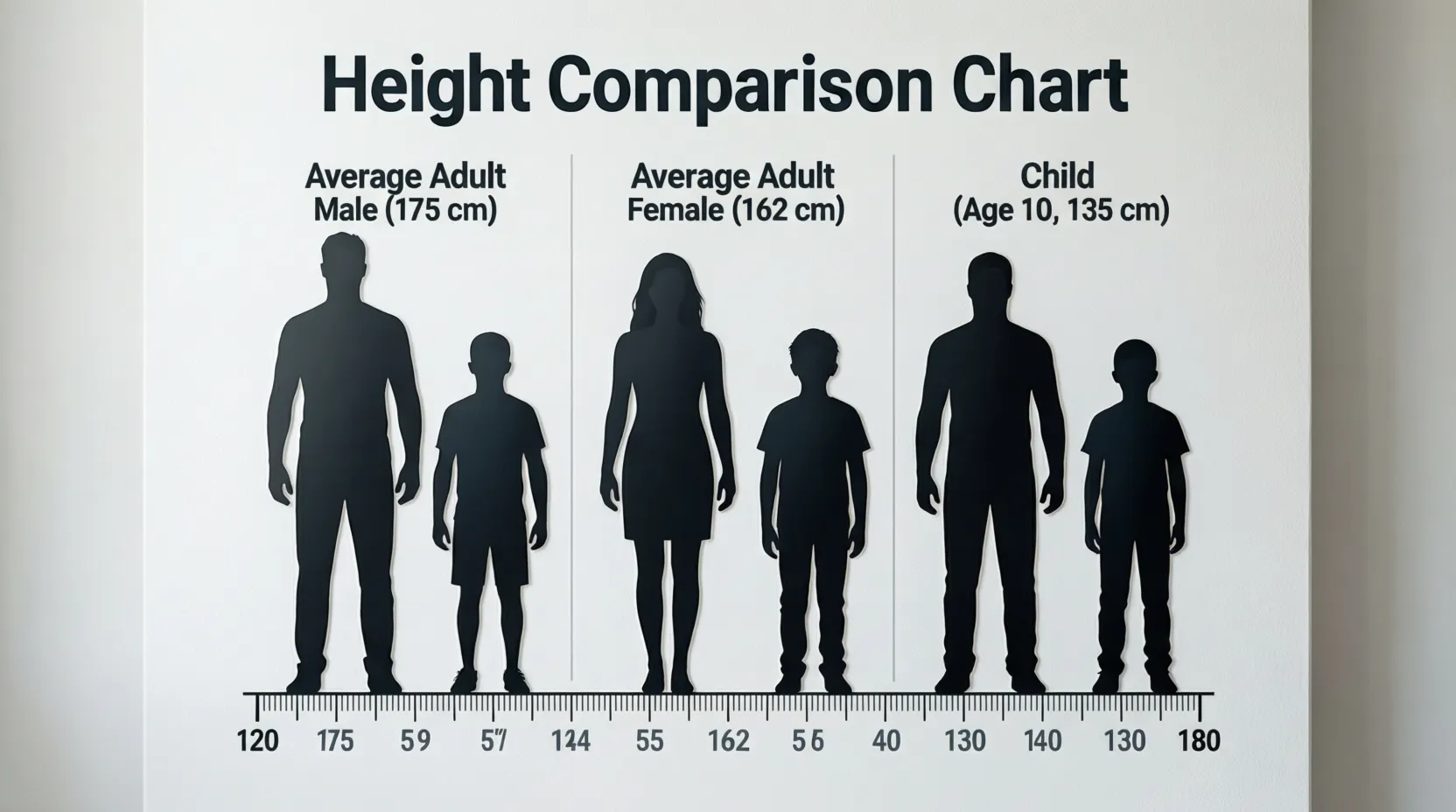
A height comparison chart is a visual or numerical tool used to compare the heights of two or more people, objects, or groups in a clear and intuitive way. Instead of relying solely on numbers, these charts present height differences visually, making it easier to understand how tall someone is relative to others. Height comparison charts can be displayed as silhouettes, scaled figures, bars, or tables, and they often support multiple measurement units such as feet, inches, and centimeters.
At its core, a height comparison chart works by placing heights on a shared scale. Each individual height is converted into the same unit of measurement and then represented proportionally. This allows users to instantly see who is taller, shorter, or close in height without doing manual calculations. Some charts are static, showing fixed height ranges, while others are interactive, allowing users to input custom heights and generate instant comparisons.
Height comparison charts are commonly used for comparing adults, children, celebrities, athletes, and even average heights by country or gender. They are also popular in education, healthcare, fitness, and entertainment because they simplify complex data into an easy-to-digest format. Whether used online or offline, a height comparison chart transforms abstract measurements into visual context, helping users better understand relative size, proportion, and difference at a glance.
Why Height Comparison Charts Are Useful
Height comparison charts are useful because they turn abstract measurements into clear, visual information that is easy to understand at a glance. While numbers like feet, inches, or centimeters can be hard to visualize, a height comparison chart shows exactly how tall someone is relative to others, removing confusion and guesswork. This makes them especially helpful for people who want quick, accurate comparisons without doing manual calculations.
One of the most common uses of height comparison charts is personal comparison. People often want to see how their height compares to friends, family members, celebrities, or average height standards. These charts also play an important role in education and child development, where parents and teachers use them to track growth patterns and understand height percentiles by age. In healthcare and fitness settings, height comparisons help provide context for body measurements and overall physical development.
Height comparison charts are also valuable for research, design, and visualization purposes. Designers, illustrators, and architects use them to maintain accurate proportions when creating characters, spaces, or products. In sports and entertainment, they help highlight how height differences can influence performance or public perception. Additionally, in dating and social discussions, height comparison charts are often used to explore common preferences and myths surrounding height.
Overall, height comparison charts simplify complex information, making height data more accessible, engaging, and meaningful for a wide range of practical and everyday uses.
Units of Measurement Explained
Understanding units of measurement is essential when using a height comparison chart, as accurate comparisons depend on consistent and standardized units. The most commonly used systems for measuring height are the imperial system and the metric system, and height comparison charts often support both to accommodate global users. Knowing how these units work helps avoid misinterpretation and ensures precise visual representation.
In countries such as the United States, height is typically measured using feet and inches. One foot equals 12 inches, and heights are often written in a combined format, such as 5 feet 9 inches. Height comparison charts that use feet and inches are especially useful for everyday personal comparisons, dating profiles, and celebrity height references. However, converting between feet and inches incorrectly is a common mistake, which can lead to inaccurate comparisons if not handled carefully.
The metric system, used in most parts of the world, measures height in centimeters and meters. One meter equals 100 centimeters, and adult heights are usually expressed in centimeters for precision. Metric-based height comparison charts are widely used in education, healthcare, and scientific contexts because they offer straightforward scaling and easy calculations. Many global height statistics and growth charts rely on centimeters as the standard unit.
Modern height comparison charts often include built-in conversion features, allowing users to switch between imperial and metric units instantly. This flexibility makes height comparison charts more accessible and accurate, ensuring users can compare heights confidently regardless of the measurement system they are familiar with.
Standard Height Comparison Chart (Adults)
A standard height comparison chart for adults provides a clear reference point for understanding how individual heights relate to average adult height ranges. These charts typically display a spectrum of heights, from shorter-than-average to taller-than-average, allowing users to see where they fall on the overall scale. Adult height comparison charts usually focus on fully grown individuals, as most people reach their maximum height by their late teens or early twenties.
On average, adult height varies by gender, genetics, nutrition, and geographic region. In many countries, the average adult male height falls between 5 feet 7 inches and 5 feet 10 inches, while the average adult female height is generally between 5 feet 2 inches and 5 feet 5 inches. A standard height comparison chart visually represents these averages, making it easier to recognize what is considered short, average, or tall without relying solely on numbers.
Adult height comparison charts are especially useful for self-assessment, social comparisons, and general knowledge. They are commonly used to compare personal height with population averages, friends, or public figures. These charts also help illustrate how small numerical differences—such as two or three inches—can appear more noticeable when displayed visually.
In addition, standard adult height comparison charts are often used in research, fitness planning, and design reference. By providing a consistent and neutral scale, they help users understand relative height differences clearly while avoiding misleading assumptions. Overall, an adult height comparison chart offers an easy and practical way to place individual height into meaningful context.
Height Comparison Chart by Gender
A height comparison chart by gender helps illustrate the typical height differences between males and females in a clear and visual way. While individual height can vary widely, gender-based height charts focus on average ranges to provide useful context. These charts are commonly used for educational purposes, general reference, and social comparisons, as they highlight patterns influenced by biology, genetics, and environment.
On average, males tend to be taller than females across most populations worldwide. This difference is largely due to biological factors such as bone structure, muscle mass, and hormonal influences during puberty. A height comparison chart by gender visually represents these differences, often showing overlapping ranges to emphasize that height is not absolute and that many women are taller than the average man, and vice versa.
Gender-based height comparison charts are especially helpful for understanding population statistics. They allow users to see where an individual falls relative to gender averages, whether they are below average, near the median, or above average height. These charts are also useful in healthcare and growth analysis, where height trends are monitored separately for males and females to ensure accurate assessments.
In everyday use, height comparison charts by gender are often referenced in discussions about sports, fashion, ergonomics, and dating preferences. By presenting data visually rather than numerically, these charts reduce misconceptions and stereotypes related to height. Overall, a height comparison chart by gender provides a balanced and informative way to understand height differences while recognizing the wide diversity that exists within each group.
Height Comparison Chart by Age
A height comparison chart by age is designed to show how height typically changes throughout different stages of life. These charts are especially useful for understanding growth patterns in children and teenagers, as well as highlighting the differences between developing and fully grown individuals. By organizing height data by age, these charts provide valuable context for what is considered typical at each life stage.
For children, height comparison charts by age are often based on growth percentiles. These percentiles show how a child’s height compares to others of the same age and gender. Parents, teachers, and healthcare professionals use these charts to monitor healthy development and identify potential growth concerns early. Visual height comparisons make it easier to see whether a child is growing steadily over time rather than focusing on isolated measurements.
During adolescence, height comparison charts by age become even more important due to rapid growth spurts associated with puberty. Teenagers can experience significant height changes over a short period, and these changes vary widely between individuals. A height comparison chart helps illustrate these differences and reassures users that growth rates can differ while still being normal.
For adults, age-based height charts highlight that height generally stabilizes after early adulthood and may gradually decrease later in life due to posture changes and bone density loss. Overall, height comparison charts by age provide a clear, visual understanding of how height evolves over time, making them an essential tool for growth tracking, education, and general reference.
Height Comparison Chart by Country
A height comparison chart by country highlights how average human height varies across different regions of the world. These differences are influenced by a combination of genetics, nutrition, healthcare access, lifestyle, and environmental factors. By comparing average heights country by country, these charts provide valuable insight into global height patterns and population trends.
In general, countries in Northern and Western Europe tend to have some of the tallest average heights, while parts of Southeast Asia and Latin America often show shorter average statures. A height comparison chart by country visually represents these variations, making it easier to understand how people from different nations compare without focusing on individual cases. Most charts separate data by gender to ensure accuracy, as average male and female heights can differ significantly within the same country.
Height comparison charts by country are commonly used for educational and research purposes. They help students, analysts, and curious readers explore how factors such as diet quality, childhood nutrition, and public health policies impact physical development. These charts are also popular in online discussions and media, where people compare their height to national or global averages.
It’s important to note that a country-based height comparison chart reflects averages, not individuals. People within the same country can vary widely in height, and migration, mixed genetics, and socioeconomic differences all play a role. When used correctly, a height comparison chart by country offers a fascinating, data-driven way to understand human diversity and how geography influences physical characteristics on a global scale.
Height Comparison Chart: Celebrities & Famous People
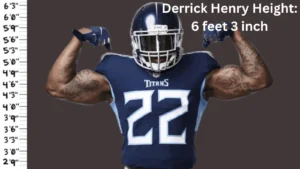
A height comparison chart featuring celebrities and famous people is one of the most popular and engaging ways to explore height differences. Many fans are curious about how tall their favorite actors, musicians, athletes, or public figures really are, especially since on-screen appearances, camera angles, and footwear can often be misleading. A celebrity height comparison chart provides a clearer, more accurate visual reference.
These charts typically display well-known figures side by side, scaled to their reported or verified heights. By presenting celebrities on a consistent height scale, users can easily see how tall one celebrity is compared to another or to the average person. This often reveals surprising results, such as actors who appear tall on screen but are actually below average height, or performers who seem shorter but are taller than expected in real life.
Celebrity height comparison charts are also useful for debunking common myths and exaggerations. Public figures’ heights are sometimes overstated in promotional materials or online profiles, leading to confusion. A properly constructed chart helps separate perception from reality by focusing on reliable measurements.
Beyond entertainment, these charts are often used as reference points in fashion, film analysis, and pop culture discussions. They also make height data more relatable, as people find it easier to visualize measurements when they are associated with familiar faces. Overall, a height comparison chart of celebrities combines accuracy with curiosity, making it an engaging way to explore height differences while highlighting how visual perception can differ from actual measurements.
Height Comparison for Couples & Dating
Height comparison charts are frequently used in discussions about couples and dating, where height differences often attract curiosity and strong opinions. A height comparison chart for couples visually illustrates how two partners’ heights relate to each other, making it easier to understand differences that might otherwise seem abstract when expressed only in numbers. This visual approach helps normalize a wide range of height pairings.
In many cultures, there is a common perception that one partner—often the man—should be taller in a relationship. Height comparison charts help challenge this stereotype by showing how varied real-world couples can be. When displayed visually, even noticeable height differences often appear less dramatic than people expect, helping reduce misconceptions around what is “ideal” or “normal.”
These charts are also popular on dating platforms and social media, where users compare their height to average partner preferences or explore compatibility trends. A height comparison chart can provide reassurance by showing that successful relationships exist across all height combinations. It emphasizes that height is just one small factor in attraction and relationship dynamics.
From a practical perspective, height comparison charts can also be useful for everyday considerations such as shared clothing sizes, photography angles, or event planning. By focusing on proportional visuals rather than judgment, these charts promote a more balanced view of height in relationships. Overall, height comparison charts for couples encourage realistic expectations, highlight diversity, and help shift the conversation away from rigid height norms toward personal compatibility and mutual connection.
Height Comparison Chart for Sports
A height comparison chart for sports helps illustrate how height can influence athletic performance across different disciplines. While skill, training, and strategy are critical in every sport, height often plays a noticeable role in determining physical advantages or challenges. By visually comparing athlete heights, these charts make it easier to understand why certain sports tend to favor specific height ranges.
In sports like basketball and volleyball, taller athletes often have an advantage due to increased reach, blocking ability, and scoring potential. A height comparison chart clearly shows how elite players in these sports typically fall well above average height. In contrast, sports such as gymnastics, weightlifting, and horse racing often favor shorter athletes, where a lower center of gravity and better control can enhance performance.
Height comparison charts for sports are also useful for young athletes and parents who want to understand realistic physical expectations. By comparing average heights of professional athletes across sports, these charts help guide decisions without discouraging participation. They emphasize that while height may influence suitability, it does not guarantee success.
Additionally, these charts are commonly used by coaches, analysts, and sports enthusiasts to visualize team composition and positional roles. For example, certain positions in soccer, American football, or baseball may show noticeable height patterns when compared visually. Overall, a height comparison chart for sports provides valuable insight into how physical attributes align with athletic demands, helping users appreciate the diversity of body types that contribute to success across different sports.
Interactive Height Comparison Tools
Interactive height comparison tools take traditional height comparison charts a step further by allowing users to create personalized, real-time comparisons. Instead of viewing fixed data, users can input custom heights, select units of measurement, and instantly see visual results. These tools are especially popular online because they offer flexibility, accuracy, and a more engaging user experience.
Most interactive height comparison tools allow users to compare two or more heights side by side using scaled silhouettes or bars. Many support both imperial and metric units, making them accessible to a global audience. Some tools also include additional features such as gender selection, age categories, or preset profiles for celebrities and athletes. This customization helps users visualize height differences in a more meaningful and relatable way.
Interactive tools are widely used for personal curiosity, social sharing, and educational purposes. For example, users can compare their height to national averages, famous individuals, or friends. Teachers and students may use these tools in classrooms to better understand proportions and measurement concepts. Designers and illustrators also rely on interactive height comparison tools to maintain accurate scaling in their work.
Another advantage of interactive height comparison tools is accuracy. Built-in conversions and scaling reduce human error, ensuring consistent results. Many tools are also mobile-friendly, allowing users to explore height comparisons on any device. Overall, interactive height comparison tools make height data more dynamic, accessible, and user-centered, transforming simple measurements into an engaging visual experience.
How to Create Your Own Height Comparison Chart
Creating your own height comparison chart is a practical way to visualize height differences for personal, educational, or professional use. Whether you want a simple comparison or a detailed visual, the process can be adapted to suit your needs and level of technical skill. The first step is to decide what or who you want to compare, such as individuals, age groups, or average heights.
One of the easiest ways to create a height comparison chart is by using online tools or generators. These platforms allow you to enter heights in feet, inches, or centimeters and instantly generate scaled visuals. Many tools also offer options to label figures, adjust units, and export images for sharing or printing. This approach is ideal for quick and accurate results without design experience.
For more control, you can create a height comparison chart manually using spreadsheets or design software. In spreadsheets, heights can be converted into a single unit and displayed as bar charts with consistent scaling. Design tools such as vector or illustration software allow for more creative visuals, including silhouettes or customized layouts. Accuracy is crucial, so maintaining proper proportions is essential.
When creating a height comparison chart, consistency is key. Use the same measurement unit, ensure proper scaling, and clearly label heights. Including a reference scale improves clarity. Overall, creating your own height comparison chart allows you to tailor comparisons precisely, making height differences easier to understand and communicate visually.
Common Height Comparison Questions (FAQ)
Height comparison charts often raise common questions, especially for people who are new to using them or want accurate interpretations. One frequent question is whether height should be measured with or without shoes. For consistency and accuracy, most height comparison charts use barefoot measurements, as shoes can add one to two inches and distort comparisons.
Another common question is what height is considered tall or short. There is no universal answer, as height standards vary by country, gender, and age. A height comparison chart helps by showing relative position rather than labeling someone absolutely. This visual context is more informative than fixed definitions.
Many users also ask whether height can change over time. For children and teenagers, height increases naturally as part of growth. For adults, height typically remains stable but may decrease slightly with age due to posture changes and spinal compression. Height comparison charts can help illustrate these trends clearly.
Accuracy is another concern. Most height comparison charts are reliable when based on correct measurements and proper scaling. However, charts using estimated or self-reported data, such as celebrity heights, may have minor inconsistencies. Understanding the source of the data is important.
Finally, people often ask whether height affects confidence or success. While height can influence perception, research shows that many factors contribute to confidence and achievement. Tallness comparison charts are best used as informative tools, helping users understand differences without reinforcing stereotypes or unrealistic expectations.
Height Myths and Misconceptions
Height is often surrounded by myths and misconceptions, many of which are reinforced by social expectations and media portrayals. One common myth is that taller people are always stronger, more successful, or more confident. While height can influence first impressions, it does not determine ability, intelligence, or personal success. A height comparison chart helps put these assumptions into perspective by showing how small numerical differences can appear larger than they truly are.
Another widespread misconception is that height directly defines attractiveness or relationship compatibility. Dating preferences often emphasize height, but real-world data shows that successful relationships exist across all height combinations. Height comparison charts visually demonstrate that many couples have minimal height differences or even reverse traditional expectations, helping challenge rigid stereotypes.
Celebrity height myths are also common. Actors and public figures often appear taller or shorter due to camera angles, footwear, or stage positioning. As a result, reported heights can be exaggerated or misunderstood. Height comparison charts that rely on verified measurements help separate perception from reality.
There is also a misconception that height cannot change after adulthood. While significant growth usually ends in early adulthood, minor changes can occur due to posture improvement, spinal compression, or health factors. Height comparison charts over time can help illustrate these subtle differences.
Overall, height myths persist because numbers alone are hard to visualize. By presenting height data clearly and proportionally, height comparison charts encourage a more realistic understanding of human variation and help reduce unnecessary judgments based on stature alone.
Visual Examples & Infographics
Visual examples and infographics play a crucial role in making height comparison charts easy to understand and engaging. While numerical data provides accuracy, visuals help users instantly grasp differences in height without needing to interpret measurements. By using silhouettes, bars, or scaled figures, height comparison charts turn abstract numbers into clear, relatable visuals.
One common visual approach is the use of human silhouettes placed side by side on a shared scale. This method is especially effective because it mirrors real-life perception, allowing viewers to see how height differences would appear in person. Infographics may also include reference objects such as doors, cars, or everyday items to provide additional context and make comparisons more intuitive.
Height comparison infographics are widely used in educational content, social media, and presentations because they simplify complex information. Color coding, labels, and measurement markers enhance readability and ensure that comparisons remain accurate. When designed well, these visuals can communicate height differences in seconds, making them ideal for audiences of all ages.
Another advantage of visual examples is accessibility. Visual charts help users who struggle with numerical interpretation or language barriers understand height differences more easily. Infographics can also be shared, printed, or embedded in articles, increasing their usefulness and reach.
Overall, visual examples and infographics enhance the effectiveness of height comparison charts by combining accuracy with clarity. They make height data more engaging, memorable, and practical for everyday use across educational, professional, and personal contexts.
Conclusion:
Height comparison charts offer a simple yet powerful way to understand height differences through clear, visual representation. By transforming measurements into easy-to-read charts and graphics, they help eliminate confusion and make comparisons more meaningful.
If used for personal curiosity, education, research, sports analysis, or entertainment, height comparison charts provide valuable context that numbers alone cannot deliver.
Throughout this guide, we explored how height comparison charts work, why they are useful, and how they can be applied across different categories such as age, gender, country, sports, celebrities, and relationships.
We also discussed measurement units, interactive tools, and common misconceptions, highlighting the importance of accuracy and proper interpretation. These charts are most effective when they focus on proportional visuals rather than rigid labels or assumptions.
It’s important to remember that height comparison charts reflect averages and relative differences, not individual worth or potential. Human height varies widely, and no single measurement defines success, confidence, or compatibility.
When used responsibly, height comparison charts encourage understanding and appreciation of diversity rather than comparison-driven judgment.
As visual tools continue to evolve, interactive and customizable height comparison charts are becoming even more accessible. Whether you are comparing yourself to global averages or creating your own chart, these tools offer an engaging way to explore human height.
Ultimately, height comparison charts help turn simple measurements into meaningful insights that inform, educate, and spark curiosity.

Oscar Wilde (1854–1900) was an Irish poet, playwright, and wit, famous for his sharp humor, sparkling epigrams, and timeless works like The Picture of Dorian Gray and The Importance of Being Earnest. Celebrated for his clever observations on society and human nature, Wilde’s writing continues to inspire laughter, reflection, and admiration. On jokesplanets.com, we celebrate Wilde’s wit and humor, bringing his legendary cleverness to life for a modern audience who loves smart, funny content.