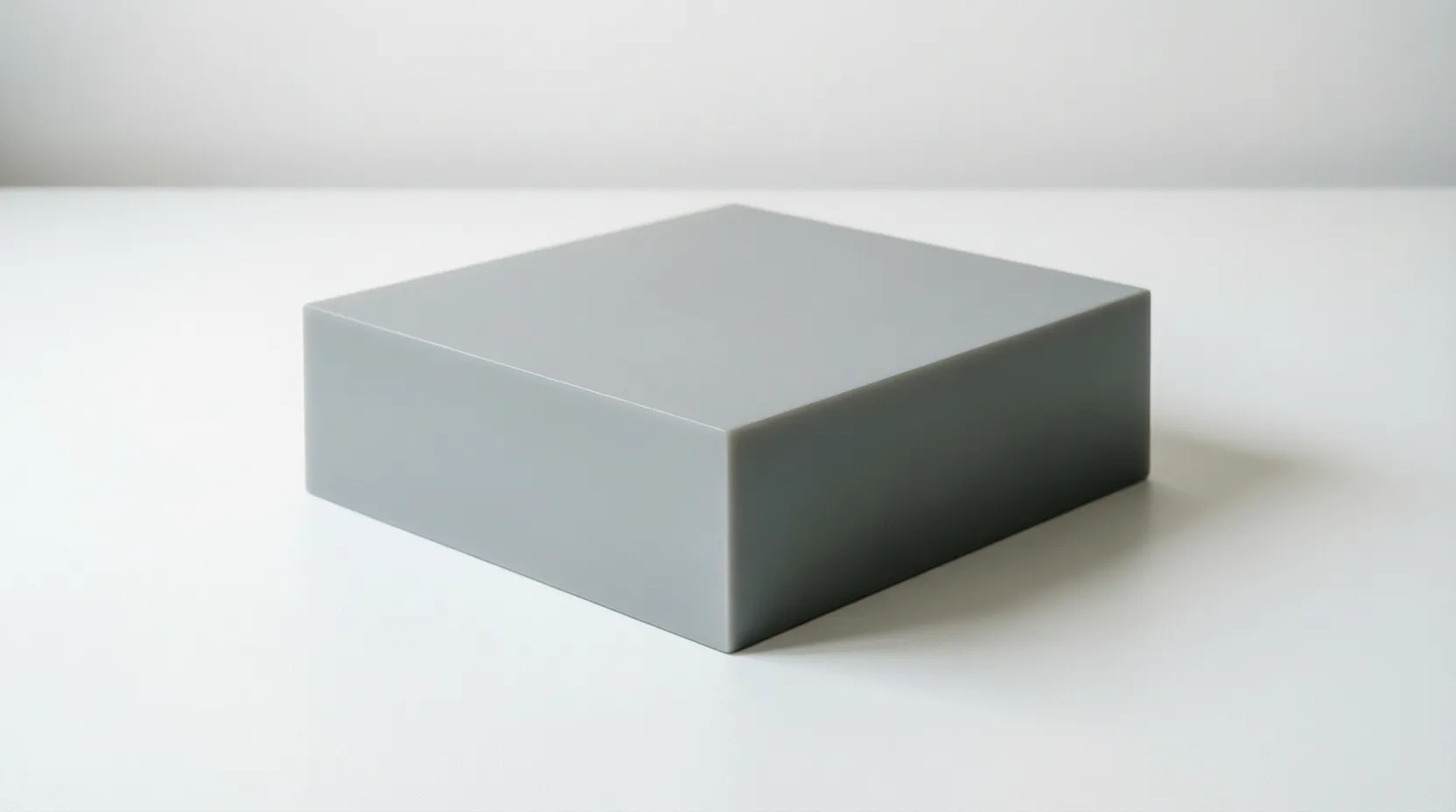
Understanding length, width, and height is essential for describing the size and shape of objects in the world around us. These three dimensions help us measure space, compare objects, and make accurate decisions in everyday life.
Whether you are calculating the size of a room, choosing the right furniture, packing a box for shipping, or solving a math problem, length, width, and height play a vital role.
In mathematics and geometry, these measurements form the foundation for understanding two-dimensional and three-dimensional shapes.
Beyond the classroom, they are widely used in construction, engineering, architecture, design, and technology. Despite their importance, many people confuse these terms or use them incorrectly.
This article provides a complete and easy-to-understand explanation of length, width, and height. You will learn what each dimension means, how they differ, how to measure them correctly, and how to apply them in real-world situations with confidence.
Understanding Dimensions
Dimensions are the fundamental measurements used to describe the size and shape of any object. In simple terms, a dimension tells us how far an object extends in a particular direction. The three most commonly used dimensions are length, width, and height, and together they help us understand physical space clearly and accurately.
Objects can exist in different dimensional forms. A one-dimensional object, such as a line, has only length. A two-dimensional object, like a square or rectangle, has length and width and can be represented on a flat surface. Most real-world objects, however, are three-dimensional, meaning they have length, width, and height. These three dimensions allow objects to have volume and occupy space.
It is important to distinguish between dimensions and measurements. Dimensions refer to the directions being measured, while measurements are the numerical values assigned to those directions using specific units. For example, saying a table has a length, width, and height describes its dimensions, while stating it is 120 cm long, 60 cm wide, and 75 cm high provides the measurements.
Dimensions are universal and apply across many fields, including mathematics, physics, construction, design, and engineering. Regardless of the object or discipline, dimensions provide a standardized way to describe size and structure. Understanding dimensions correctly is the first step toward accurately measuring objects, visualizing space, and performing calculations such as area and volume. This foundational knowledge makes it easier to grasp how length, width, and height function individually and together in practical applications.
Units of Measurement
To understand length, width, and height accurately, it is essential to use units of measurement. Units provide a standard way to express how long, wide, or tall an object is, allowing measurements to be shared and understood universally. Without standard units, comparing sizes or performing calculations would be unreliable and confusing.
The most widely used system is the metric system, which includes units such as millimeters, centimeters, meters, and kilometers. The metric system is based on powers of ten, making it simple to convert between units. For example, 1 meter equals 100 centimeters, and 1 centimeter equals 10 millimeters. Because of its simplicity and precision, the metric system is used in science, education, and most countries around the world.
Another common system is the imperial system, primarily used in the United States and a few other regions. This system includes units such as inches, feet, yards, and miles. Conversions in the imperial system are less straightforward, such as 12 inches in a foot or 3 feet in a yard, which can make calculations more complex.
Choosing the correct unit depends on what is being measured. Small objects, like a book or phone, are best measured in centimeters or inches, while larger spaces, such as rooms or buildings, are measured in meters or feet. Accurate measurement also requires proper tools, including rulers, measuring tapes, and digital measuring devices.
Understanding units of measurement ensures consistency, accuracy, and clarity when working with length, width, and height in both academic and real-world situations.
Length
Length is one of the most basic and commonly used dimensions. It measures how long an object is from one end to the other and usually represents the longest side of an object. In most cases, length is measured horizontally, but its orientation can change depending on how the object is positioned.
Length is used to describe both physical objects and distances. For example, the length of a table, the length of a road, or the distance between two points on a map all rely on this dimension. In mathematics, length often appears when working with line segments, perimeters, and geometric shapes. It forms the foundation for understanding more complex measurements such as area and volume.
Measuring length accurately requires appropriate tools. Small objects are typically measured using a ruler, while longer objects or spaces are measured with a tape measure or digital measuring device. When measuring length, it is important to start from the zero mark on the measuring tool and keep it aligned straight with the object to avoid errors.
One common mistake is confusing length with width, especially when an object is rotated. While length often refers to the longer side, orientation can make this distinction less obvious. In such cases, consistency is more important than the label itself.
Length plays a critical role in everyday activities such as construction, design, travel planning, and manufacturing. Understanding how to identify and measure length correctly helps ensure accuracy, efficiency, and better decision-making in both practical and academic contexts.
Width
Width is a dimension that measures how wide an object is from side to side. It usually refers to the measurement taken across an object, perpendicular to its length. While length often represents the longest side, width describes the shorter horizontal dimension, helping to define the overall shape of an object.
Width is commonly used in everyday contexts. For example, the width of a door determines whether furniture can pass through it, the width of a road affects traffic flow, and the width of a screen influences how content is displayed. In geometry, width is essential for calculating the area of two-dimensional shapes such as rectangles and squares, where area is found by multiplying length by width.
To measure width accurately, tools such as rulers, tape measures, or digital measuring devices are used, depending on the object’s size. The measuring tool should be placed straight across the object, ensuring it is aligned at a right angle to the length. Measuring at an angle can lead to inaccurate results.
A common source of confusion is the interchangeable use of length and width. In reality, these terms can change depending on orientation. For example, rotating a rectangular object can make its width appear to be its length. What matters most is consistency in labeling and understanding the relationship between the two dimensions.
Width plays a vital role in design, construction, manufacturing, and everyday decision-making. Accurately measuring width ensures proper fitting, balance, and functionality, making it an essential dimension alongside length and height.
Height
Height is the dimension that measures how tall an object is, extending vertically from the base to the top. Unlike length and width, which usually describe horizontal measurements, height always refers to the vertical direction. This makes it especially important when measuring objects that stand upright or extend upward.
Height is commonly used to describe people, buildings, trees, furniture, and many other everyday objects. In mathematics and geometry, height is used when working with three-dimensional shapes, such as cubes, cylinders, and pyramids, as well as in calculating volume and surface area. In real-world applications, height is crucial for determining clearance, safety limits, and structural design.
Measuring height accurately depends on the size of the object. Smaller objects can be measured using a ruler or tape measure, while taller structures may require laser measuring tools or specialized equipment. When measuring height, it is important to measure from a stable base to the highest point of the object, ensuring the measuring tool remains vertical.
Height is often confused with depth, especially in objects like containers or holes. While height measures upward extension, depth usually measures how far an object extends inward or downward. The distinction becomes clearer when considering orientation—if the object is turned, height may become depth depending on perspective.
Understanding height is essential in fields such as construction, architecture, engineering, and design. Correct height measurement ensures functionality, safety, and accuracy, making it a vital dimension alongside length and width.
Length, Width, and Height Together
When length, width, and height are combined, they describe a three-dimensional object and define the space it occupies. While each dimension has its own role, understanding how they work together is essential for visualizing objects and performing accurate calculations in both academic and real-world contexts.
In three-dimensional space, length usually represents the forward or horizontal extension, width measures the side-to-side extension, and height measures the vertical extension. Together, these dimensions allow objects to have volume, which is the amount of space an object contains. For example, a box cannot be fully described using only length and width; its height is necessary to determine how much it can hold.
One of the most common applications of combining these dimensions is in calculating area and volume. Area applies to two-dimensional surfaces and is calculated using length multiplied by width. Volume applies to three-dimensional objects and is calculated by multiplying length, width, and height. These calculations are widely used in packaging, construction, storage planning, and manufacturing.
The three dimensions are also represented in coordinate systems, often labeled as the X, Y, and Z axes. This system is used in computer graphics, 3D modeling, engineering design, and animation to accurately place and manipulate objects in space.
Understanding how length, width, and height interact helps prevent measurement errors and improves spatial awareness. Whether designing a room, shipping a product, or visualizing a 3D model, mastering the relationship between these dimensions ensures precision, efficiency, and practical problem-solving.
Practical Applications of Length, Width, and Height
The concepts of length, width, and height are not limited to textbooks; they are used constantly in everyday life and across many professional fields. Understanding these dimensions helps people make informed decisions, avoid costly mistakes, and work more efficiently.
In daily life, these measurements are essential when buying furniture, appliances, or electronics. Knowing the length, width, and height of a sofa ensures it fits through a doorway and into a room. Similarly, measuring the dimensions of boxes is crucial for packing, storage, and shipping, as incorrect measurements can lead to wasted space or damaged items.
In education, length, width, and height form the foundation of geometry and measurement. Students use these dimensions to calculate area, volume, and surface area, helping them develop problem-solving and spatial reasoning skills. These concepts also prepare learners for advanced topics in mathematics and science.
In construction and architecture, precise measurements are critical. Builders rely on accurate length, width, and height values to create floor plans, construct safe structures, and ensure materials fit correctly. Even small measurement errors can lead to structural issues or increased costs.
Technology and engineering also depend heavily on these dimensions. From 3D modeling and product design to manufacturing and 3D printing, accurate dimensional measurements ensure that components fit together properly. Overall, length, width, and height play a vital role in transforming ideas into functional, real-world solutions.
Common Errors and How to Avoid Them
Despite their simplicity, length, width, and height are often misunderstood or used incorrectly. These errors can lead to inaccurate calculations, poor fitting objects, and costly mistakes, especially in practical applications like construction, shipping, or design. Understanding common errors helps ensure precise and reliable measurements.
One of the most frequent mistakes is confusing length with width. Because orientation can change, people often label dimensions inconsistently. For example, rotating a rectangular object may cause its width to be called length. To avoid this, choose a consistent reference point and clearly label each dimension before measuring or recording values.
Another common error is mixing units of measurement. Using centimeters for one dimension and inches for another can result in incorrect calculations, especially when finding area or volume. Always ensure all dimensions use the same unit before performing any calculations.
Incorrect tool usage is also a major source of error. Starting a measurement from the wrong mark on a ruler, measuring at an angle, or using a damaged measuring tool can significantly affect accuracy. Always begin from the zero mark and keep the tool straight and aligned with the object.
Height is frequently confused with depth, particularly for containers, holes, or furniture. Remember that height measures vertical extension upward, while depth usually measures inward or downward. Clarifying the object’s orientation before measuring helps eliminate confusion.
Finally, failing to double-check measurements can lead to avoidable mistakes. Measuring twice and recording values carefully ensures accuracy. By staying consistent, using proper tools, and understanding orientation, these common errors can be easily avoided.
Tips for Accurate Measurement
Accurate measurement of length, width, and height is essential for achieving reliable results in both academic and real-world situations. Small mistakes can lead to incorrect calculations, poor fitting objects, or wasted materials, so following best practices is important.
The first step is choosing the right measuring tool. A ruler is suitable for small objects, while a tape measure works better for larger items such as furniture or rooms. For tall or hard-to-reach objects, digital or laser measuring tools provide greater accuracy and convenience. Always ensure the tool is in good condition and clearly marked.
Proper alignment is critical when measuring. The measuring tool should be placed straight along the object, not at an angle. When measuring length or width, align the tool with the edge of the object. For height, make sure the tool remains vertical from the base to the top.
Using consistent units of measurement is another key factor. Before recording values, decide whether to use metric or imperial units and stick to that system throughout the measurement process. Convert units when necessary before performing calculations.
It is also helpful to measure more than once. Repeating measurements reduces the risk of errors and increases confidence in the results. Recording measurements immediately and labeling them clearly prevents confusion later.
Finally, consider the environment. Uneven surfaces, poor lighting, or unstable objects can affect accuracy. Taking time to prepare the measurement area ensures better results. By following these tips, you can measure length, width, and height with greater precision and confidence.
Frequently Asked Questions (FAQs)
Understanding length, width, and height often raises common questions, especially for beginners. Addressing these questions helps clarify confusion and strengthens practical understanding of these essential dimensions.
Is length always the longest side?
In most cases, length refers to the longest horizontal side of an object. However, this is not a strict rule. The designation of length can change depending on the object’s orientation. What matters most is consistency in labeling rather than which side is technically longer.
Which comes first: length, width, or height?
The common order is length × width × height, especially in mathematics, packaging, and product descriptions. This standard order helps maintain clarity, but it is always best to confirm how dimensions are labeled in specific contexts.
Is height the same as depth?
No, height and depth are different. Height measures vertical extension upward, while depth measures how far an object extends inward or downward. The difference becomes especially important when measuring containers, cabinets, or holes.
Can length, width, and height change?
The actual size of an object does not change, but the names of the dimensions can change if the object is rotated. For example, turning a box on its side may cause height to become width.
Why are these dimensions important?
They help describe size, calculate area and volume, and ensure accuracy in design, construction, and everyday tasks. Understanding these concepts prevents errors and improves spatial awareness.
These FAQs address the most common concerns and provide clarity for using length, width, and height correctly in any situation.
Conclusion:
Length, width, and height are fundamental dimensions that help us understand, measure, and interact with the physical world. From simple everyday tasks to complex professional projects, these three measurements provide a clear and consistent way to describe the size and shape of objects. Although they may seem basic, their correct use is essential for accuracy, efficiency, and effective communication.
Throughout this article, we explored what length, width, and height mean, how they differ, and how they work together to define three-dimensional space.
We examined the importance of measurement units, proper tools, and best practices to ensure reliable results. By understanding common errors and learning how to avoid them, readers can approach measurements with greater confidence and precision.
These dimensions play a vital role across many fields, including education, construction, engineering, design, and technology. Whether you are calculating volume, planning a room layout, shipping a package, or learning geometry, mastering length, width, and height makes problem-solving easier and more effective.
Developing a strong understanding of these concepts also improves spatial awareness and practical decision-making. By applying the principles discussed in this article, you can measure objects accurately, interpret dimensions correctly, and avoid common misunderstandings.
In essence, length, width, and height are more than just measurements—they are tools that help bring clarity and structure to the way we understand space and size in everyday life.

Jon Arnold is a passionate writer and humor enthusiast who loves breaking down funny moments, memes, and quirky jokes for readers of all ages. With a knack for making complex ideas simple and entertaining, Jon shares his witty insights on everything from text slang to pop culture laughs. You can find all of his playful, pun-filled content at jokesplanets.com, where he keeps smiles, giggles, and good vibes coming every day.